One number to call
Paper wasps, hornets or yellow jackets: same line.
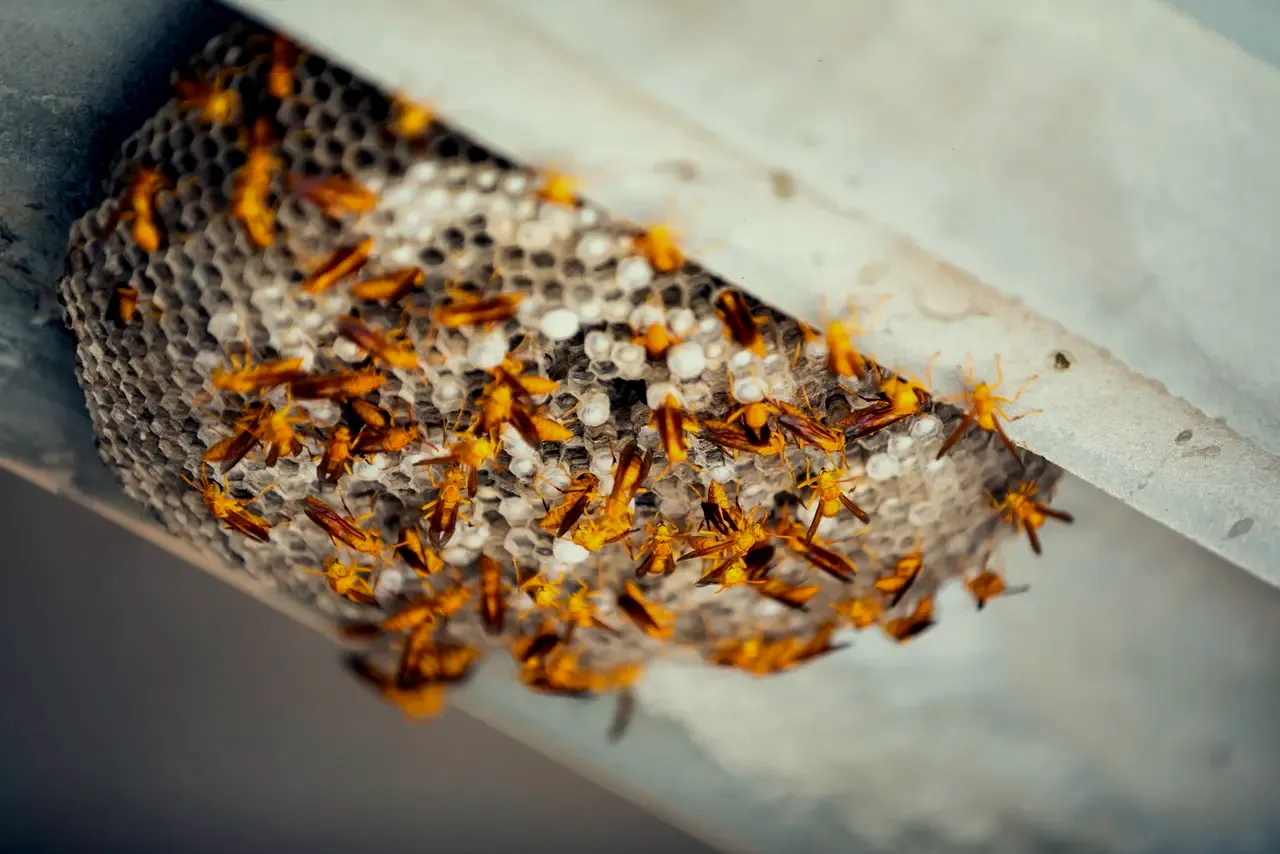
A wasp nest inspection in Lewisville answers two questions before anyone treats anything: which insect is living there, and where the colony actually sits. A provider usually looks over eaves, porch ceilings, fences, play sets, shrubs, sheds and the ground around the house, and watches where insects fly in and out. Paper wasps, yellowjackets, the baldfaced hornet and mud daubers each call for a different plan, and honey bees are not handled here at all. Getting the identity and location right first keeps the visit safer and the plan sensible.
Paper wasps, hornets or yellow jackets: same line.
The provider confirms what is nesting before treating.
Routed to a provider that works in your ZIP code.
Look the company up on TDA’s license list.
Most inspections include a walk around the outside of the home, a look at likely nesting spots, a careful identification from a safe distance and a talk about options. Removal is a separate decision. Here is what to expect and which questions to raise.
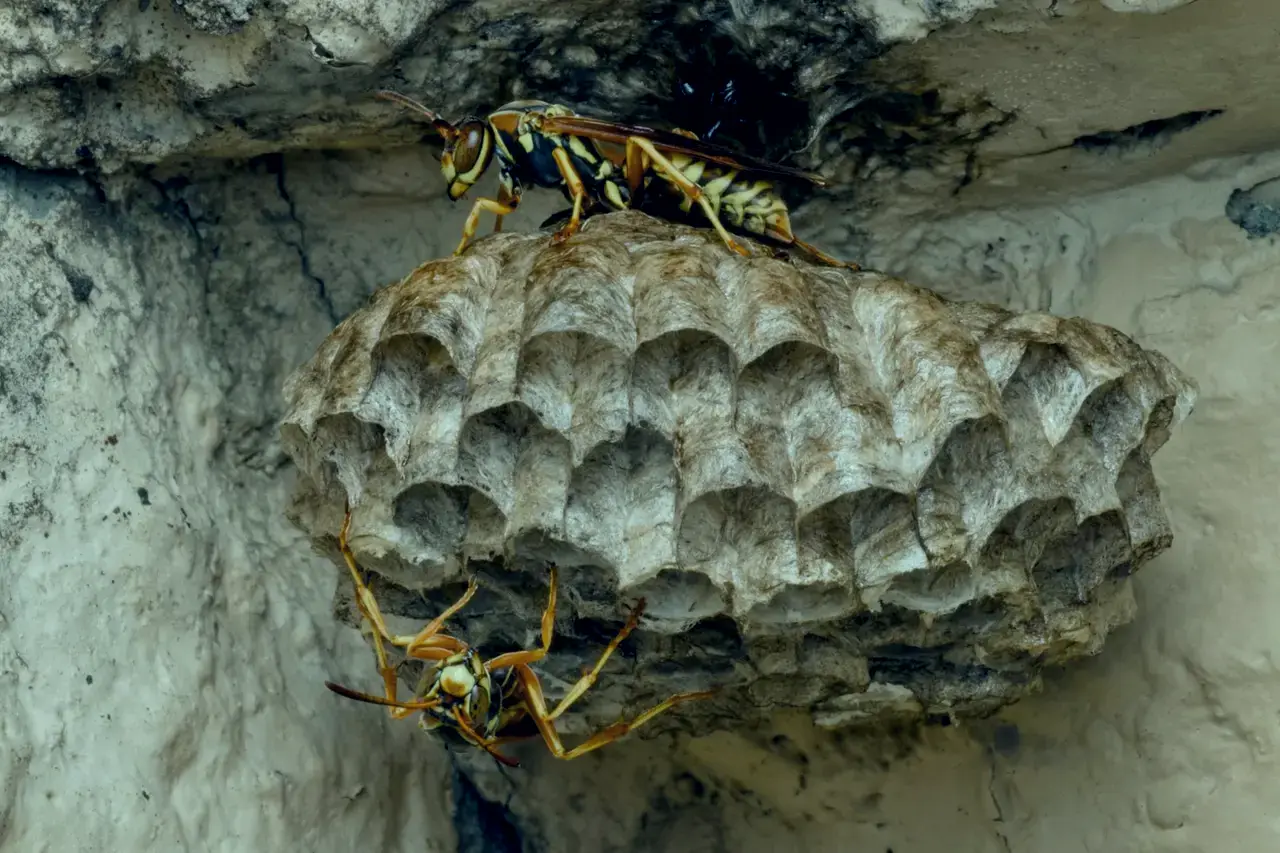
Providers often start overhead, because paper wasp nests in Texas are typically found under eaves. Porch ceilings, soffits, gutters, light fixtures and window frames get a look, along with railings and play sets. These open, umbrella-shaped combs can grow to 6 to 8 inches across.
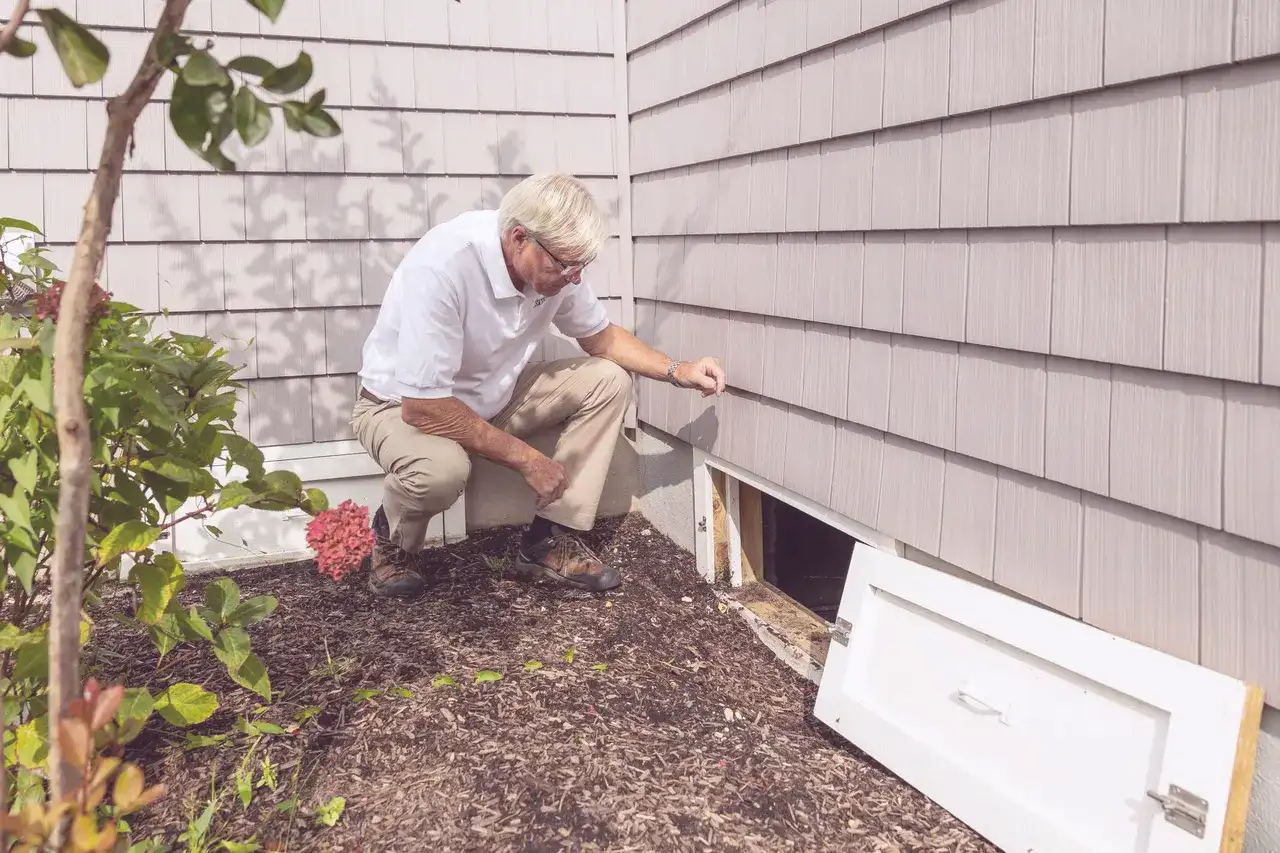
Yellowjackets mostly nest underground, in gardens, flower beds and embankments, and some colonies settle in a wall void. A provider usually watches the traffic at a small opening instead of poking at it, since a busy hole in the lawn or siding is often the only visible sign. Ask how they confirm a hidden nest.
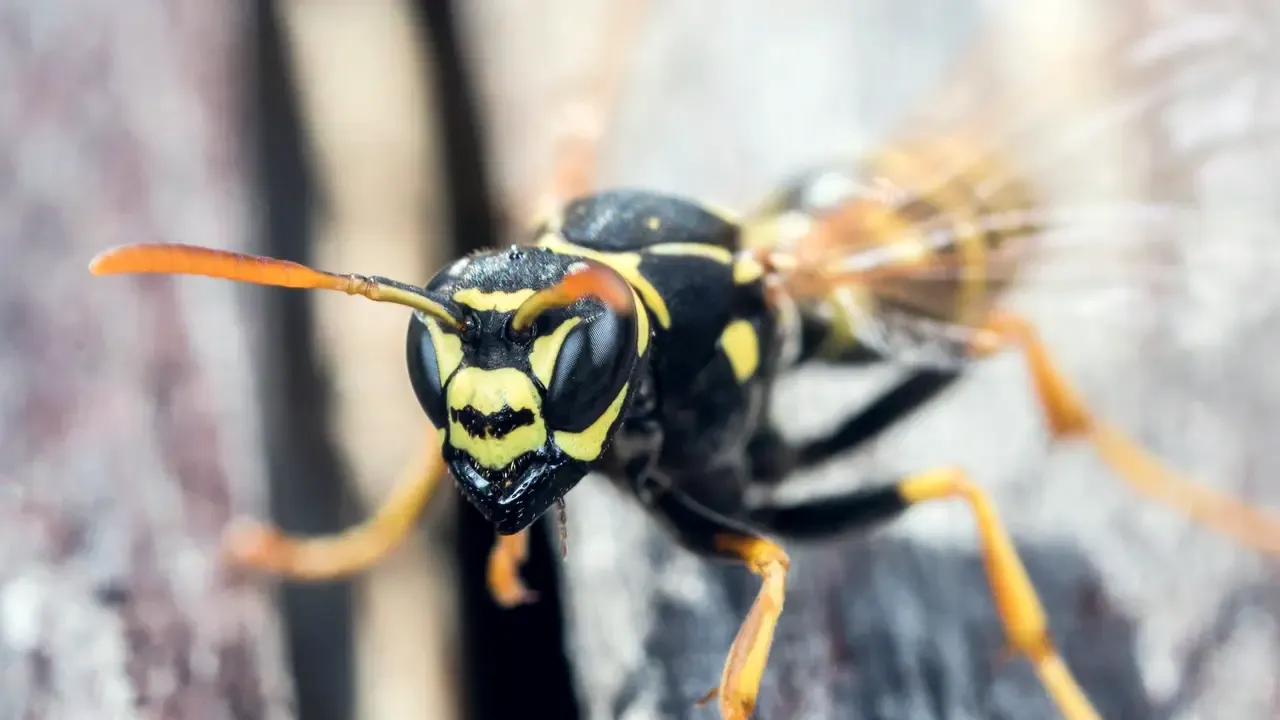
Paper wasps are slender, with long dangling legs, and build open paper combs. Yellowjackets are hairless, banded and never seen carrying pollen. The baldfaced hornet builds a large enclosed paper nest. Fuzzy, golden-brown insects on wax comb point to honey bees instead.
Ask for a short written note of what was found: the date, the insect identified, where each nest sits, roughly how large it is and how high off the ground. A photo helps. Renters can pass it to a landlord or manager, and a record makes any return visit simpler to plan.
Once the walk-around is done, have the provider talk you through the findings. If the insects turned out to be honey bees, ask about the Texas Apiary Inspection Service list of registered beekeepers. If it is a wasp, yellowjacket or hornet nest, ask about the approach, the timing, any return visit and how the cost is worked out.
Describe the nest and where it is, and a local provider explains the next step.
A wasp nest inspection in Lewisville is a deliberate look at where stinging insects are coming and going, not a quick glance from the driveway. A provider usually circles the house, scans eaves, soffits and porch ceilings, then checks fences, sheds, shrubs, play equipment and the lawn edges. They watch flight paths from a distance, note any opening in siding, brick weep holes or the ground, and decide whether the insect is a paper wasp, yellowjacket, baldfaced hornet, mud dauber or honey bee. Ask how they tell those apart and whether a written note with photos comes with the visit.
Lewisville's housing makes a careful look worthwhile. Census figures show 53.7 percent of occupied homes are rented and 40.0 percent of housing units sit in buildings with five or more units, so balconies, breezeways and shared eaves are common nesting spots that no single household controls. The median home was built in 1997, which means plenty of soffits, attic vents and fences with small gaps. Calls from Old Town in 75057 and Vista Ridge Estates in 75067 often begin the same way: insects at a doorway, but no nest in sight. An inspection finds the source before anyone acts on a guess.
Dial (000) 000-0000 and say what brought you to call: insects at a doorway, a paper comb under the eaves, traffic at a hole in the lawn or a sting. It helps to know the address, where the nest seems to be, about how high and how big, and whether anyone at home is allergic. From there, the visit time is set with an independent provider who works in Lewisville.
Before looking around, the provider usually asks where activity has been seen and explains how the visit will go. Many ask that no one pokes, sprays or blocks an opening beforehand, since a disturbed colony gets defensive and an entrance plugged from outside can push insects indoors. Keep children and pets inside during the visit, and mention anyone with a known sting allergy.
Providers generally circle the outside first, scanning rooflines, eaves and porch ceilings, then fences, sheds, shrubs and the ground. They watch where insects enter and leave rather than walking straight up to a nest. If a colony may be inside a wall or attic, ask how they confirm it before suggesting a method.
Ask the provider to record each nest: the insect, its location, the height, the approximate size and how active it looked. The note should carry the date and photos when possible. Renters should ask for a copy they can share with the landlord or property manager. Plain wording makes the next step easier for everyone involved.
When the walk-around is done, ask the provider to explain the results. If the insects are honey bees, ask for the beekeeper list rather than a treatment. If an active nest was found, ask about the method, the timing, whether the nest will be taken down afterward and how the cost is set. The decision stays yours.
Some providers wear a full protective suit and veil even for an inspection near an active nest. Ask what gear they bring and how close they need to get to identify the insect.
Some providers use a thermal camera when a colony may be inside a wall or ceiling. Ask how a suspect spot gets confirmed.
Binoculars or a camera zoom let a provider study a high nest under the eaves or in a tree without climbing toward it. Ask whether they photograph the nest so you can see what was identified and where it sits.
Watching an entrance for a few minutes, or checking again on a later day, shows whether a nest is still active. Traffic at the opening tells more than the outside of the nest.
Nests under second-story eaves or high in a tree may need a ladder or an extension pole. Ask how the provider works at height; a ladder and a sting are a risky mix.
A bright flashlight and an inspection mirror help a provider look into weep holes, vents, meter boxes and gaps under siding. You can look at these spots yourself too, from a safe distance, before calling.
Whatever tools are used, ask how the provider confirms the identification before recommending anything. The outside of a nest can mislead, and an empty comb looks much like a busy one. A clear identification gives you something solid to share with a landlord, a property manager or a second provider.
If treatment follows, the Texas Department of Agriculture's Structural Pest Control Service is the body that licenses pest control businesses, certified applicators and technicians in Texas. Ask the provider for its license details, and check the company on TDA's current-license list before any work starts on your property.
Integrated pest management pairs a careful inspection with targeted treatment, removal of the nest where it can be reached and attention to entry points, rather than spraying broadly. Ask how the provider decides what to treat and how they check the result afterward.
AgriLife advises that a yellowjacket entrance in a wall generally should not be sealed until the colony has been eliminated. Ask the provider when sealing makes sense and who handles it.
Insects near a door may be nesting in the eaves, inside a light fixture, in a wall gap or in the lawn several yards away. Before calling, watch from a distance for a few minutes and note where they fly, or take a photo with a zoom. Do not poke at openings. The inspection traces the traffic to its source and identifies the insect, so you know what you have instead of guessing.
Tell the landlord or manager about the nest in writing and keep a note of dates and photos. Written inspection notes show what insect was found, where the nest sits and how active it is. In apartment buildings, the manager usually arranges access to balconies, eaves and common areas. This site gives no legal advice about who is responsible for arranging the work.
If anyone shows signs of a severe allergic reaction, such as trouble breathing or swelling of the face or throat, call 911 right away. For other reactions, seek medical care as needed. Once everyone is safe, keep people and pets away from that area. An inspection can then find where the insects are nesting, whether in a shrub, a fence or the ground, and what kind they are.
A provider can usually walk the building edges, entrances, playgrounds and parking areas and give written notes for your records. On a large site, splitting the walk into sections can keep staff and residents moving normally. Ask how nests over doorways or busy walkways are handled, and when a return look is worth scheduling during the warm months.
Lewisville's homes run from Old Town, the city's first commercial center, to subdivisions built in the last decade or so. The median year built is 1997; 14.3 percent of units date from before 1980 and 23.1 percent from 2010 or later, so a provider may check older wood trim one day and newer soffit vents the next. With 53.7 percent of occupied homes rented and 40.0 percent of units in buildings of five or more, balconies, breezeways and shared eaves come up often. Texas A&M AgriLife says yellowjacket colonies reach their largest size by August or September, which is when ground nests are hardest to miss. At Dallas/Fort Worth, the average first freeze is November 22, and most yellowjacket nests die after the first hard frost. Calls are connected for Old Town and Tanglewood in 75057, Vista Ridge Estates and Timberbrook in 75067, and subdivisions in the Lewisville part of 75077. Renters should share findings with the manager, and owners should ask how removal and cost are worked out.
Old Town in ZIP 75057, the city's first commercial center, with nearby subdivisions such as Tanglewood and Oakbrook on the Lake. Porch ceilings, older trim and sheds give paper wasps plenty of sheltered corners.
Vista Ridge Estates in ZIP 75067, near Timberbrook and Water Oak Estates. In these houses, providers usually start at the eaves and then check fences, shrubs and lawn edges.
Subdivisions in the Lewisville part of 75077, such as Lewisville Valley and The Highlands. Eaves, play sets and fence caps deserve a look from a distance.
Tanglewood, Heritage Square, Lake Park Meadows and Lakeside Estates in 75057. Townhomes and shared rooflines mean a nest on one overhang can affect several households, so mention neighboring units when you call.
Paper wasps like the sheltered undersides of balconies, stair landings and breezeway ceilings. In shared buildings, tenants report nests to the manager, who usually arranges access for the provider.
Texas A&M AgriLife says yellowjacket colonies reach their largest size by August or September, so ground nests are often noticed then, sometimes the hard way.
Paper wasp nests turn up in garages, sheds and shrubbery as well as under eaves. Grill covers, fence post caps and swing set tubing are worth a look before the season gets busy.
About 53.7 percent of Lewisville's occupied homes are rented. When a nest is found, a short written note helps managers and incoming tenants know what was handled.
A typical call: a tenant sees wasps around the balcony and sliding door every afternoon but cannot spot a nest. A child was stung last week, so the family now avoids the balcony.
What to expect: the provider checks the balcony ceiling, railings, light fixture and the overhang above for an open paper comb. If paper wasps are confirmed, written notes give the manager something to act on, and access to the unit above can be arranged.
Afterward: Paper wasp queens often rebuild in the same general spot the next spring. Ask when a return look makes sense, and report any new comb to the manager in writing.
A typical call: a homeowner mowing the backyard passed over a small hole and was stung several times. They cannot tell whether the insects were bees or yellowjackets, or whether more holes exist.
What to expect: the provider watches the lawn from a distance to find each active entrance and identify the insect. Hairless, banded insects point to yellowjackets; fuzzy ones carrying pollen point to honey bees. The plan follows from that answer, not from a guess.
Afterward: Keep people and pets off that part of the lawn until the provider has been out, and ask when a second check is worth booking.
A typical call: a property manager hears from tenants in three buildings about wasps around stairwells and breezeways. Nobody has reported a specific nest, and the manager wants the whole community walked before booking any removal.
What to expect: the provider may walk each building's rooflines, stair landings, light fixtures and playground equipment, noting every nest by building and location. Ask how they decide which nests to treat first, especially those near doors, and how return visits are scheduled across the property.
Afterward: Ask for a building-by-building list and a plan for spring, when paper wasp queens start new colonies. A short notice to tenants can encourage early reports.
Many Lewisville calls start the same way: insects at a door, a sting or two and no idea where the nest is. An inspection replaces that guesswork with a clear answer.
You keep seeing wasps around a doorway, a patio or the garage, and nothing you notice explains it. Meanwhile a colony could be growing inside a soffit, behind a shutter or in a hole along the foundation, out of sight. Insects at a door are not proof of a nest right there. A provider follows the flight path and confirms what turns up. Ask for notes that name the insect and say exactly where the nest sits.
Without details, the back-and-forth with a landlord can drag on while a paper wasp nest keeps growing over a balcony door. Report the nest in writing, keep dates and photos, and ask the provider for notes that list the areas checked, the insect found and where the nest sits. In apartment buildings, the manager usually arranges access to balconies, eaves and other shared areas.
Fuzzy, golden-brown insects on wax comb are honey bees; smooth, shiny insects on a paper nest are wasps. Yellowjackets are hairless and are not seen carrying pollen. The difference matters, because honey bee work is not offered through this line. For honey bees, use the Texas Apiary Inspection Service list of registered beekeepers who do bee removals, and do not spray chemicals into a hive. For wasps, a provider can confirm the type and location.
Wasps ignore property lines, and a nest on a neighbor's shed or fence can send traffic across your yard all summer. A provider can only work where they have permission, so talk with the neighbor or, in a rental or townhome community, the manager or HOA. Ask the provider whether the nest's position affects your side and what can be checked from your property.
Set by the provider after the call; houses, apartment communities and larger properties are scoped differently
Any figure for the visit comes from the provider who takes your call; this site never sets one. A small yard with a single comb under a porch light is a quick job, while several suspected nests, a high roofline or a colony that may be inside a wall or the ground take longer and may need more equipment. Find out whether the look is charged on its own or folded into any removal that follows, and whether it is charged when nothing active turns up. Booking is never required.
Knowing the insect and every nest location before removal is booked keeps the job focused. A provider who has already seen the eaves, trees and lawn can plan one visit around them, rather than discovering a second colony halfway through.
One paper wasp comb under a porch light takes less time than several nests spread across eaves, a shed and the lawn. More nests usually mean more time on site. Ask how the number and spread of nests affect the cost.
A detached house, a row of townhomes and a full apartment community are very different walks. Several buildings on one visit may be quoted as a single job or building by building. Offices, schools and shops are often talked through by phone first.
Nests high under second-story eaves, deep in shrubs or behind stored items in a garage take longer to reach and check safely. Ask whether height or access changes the cost, and whether anything should be moved or trimmed back before the visit.
Most visits rely on eyes, binoculars and patience. A thermal camera or other gear for a suspected wall or attic colony can add to the job, so ask whether it is likely to be needed at your address.
The line covers 75057, 75067 and the Lewisville part of 75077. Early, evening or weekend visits can suit a nest that is busiest at midday, and some providers handle those times differently. Each provider keeps its own calendar and its own rates.
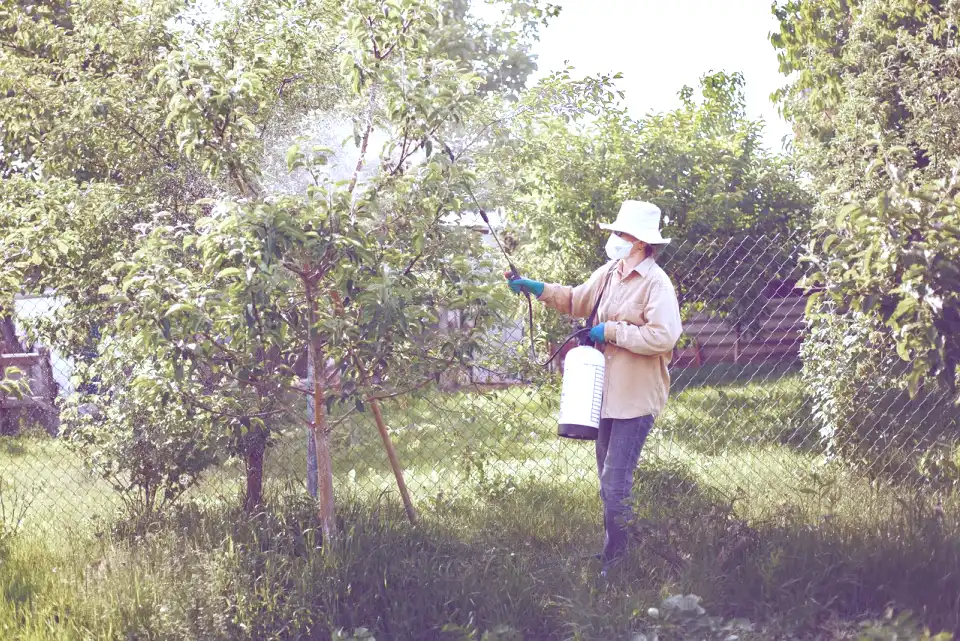
Nobody from this site comes to your door: it is a referral line that hands calls to independent local providers, so vetting the one you hire is your call. In Texas, the Texas Department of Agriculture's Structural Pest Control Service licenses pest control businesses, certified applicators and technicians, and TDA publishes current-license lists you can check before work starts. Ask the provider how they identify the insect, how they find nests in walls or the ground, whether they work at height and whether findings come in writing. A Texas A&M AgriLife fact sheet is plain about it: if you doubt you can safely control a wasp nest, call a professional.
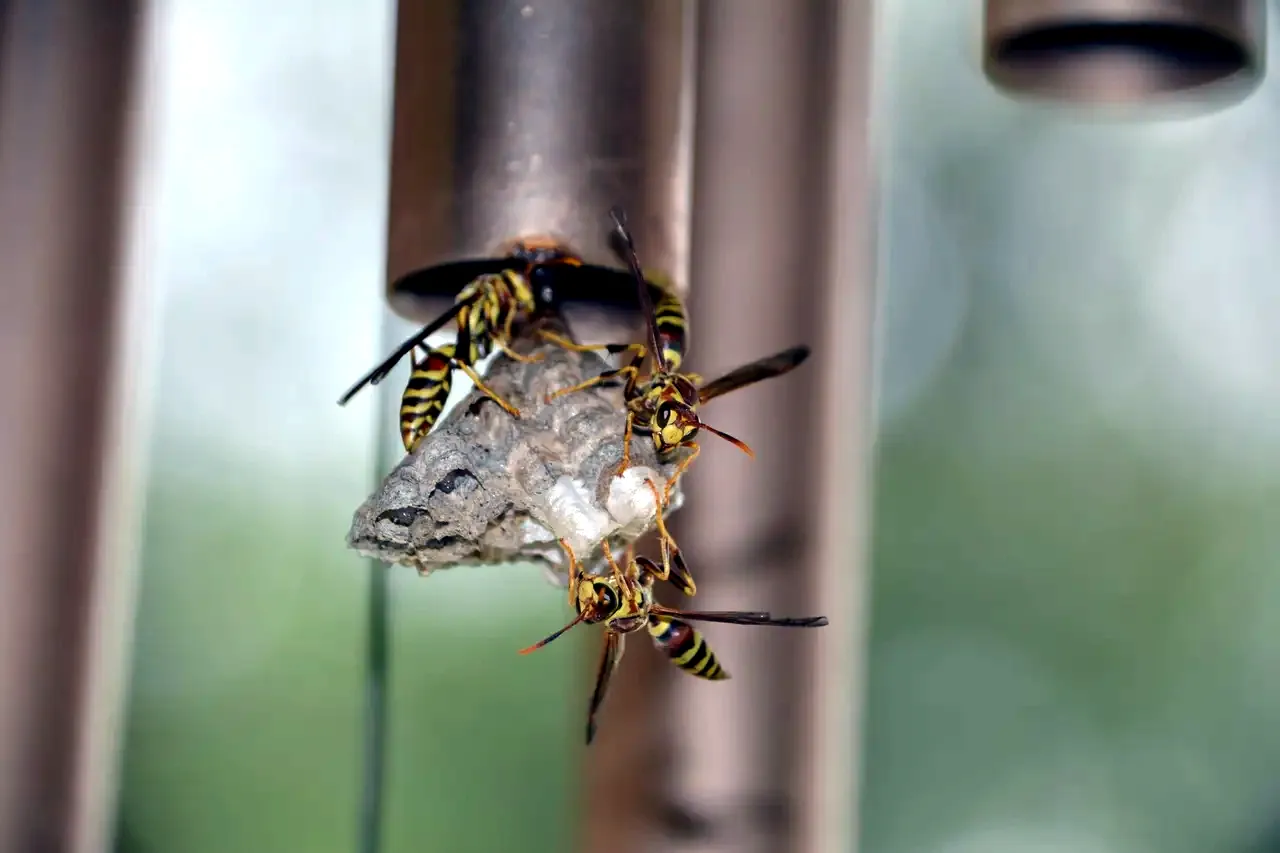
A homeowner found a papery nest tucked under the back eaves and assumed it belonged to bees. A provider usually identifies the insect from a safe distance, checks the rest of the roofline and looks for a second nest before proposing anything. A photo and a short written note make the decision easier, and any removal plan comes straight from that provider.
A property manager has one tenant reporting wasps around a back porch, while tenants in the other houses have said nothing. Expect the provider to check that porch, the rest of the roofline and the fences and sheds nearby. Findings are usually listed house by house. Ask how return visits work during the season; the notes also make it easier to brief owners and tenants.
A renter keeps seeing wasps on the balcony but has never found a nest. The inspection may turn up a small paper comb tucked into the overhang above, or it may show the insects are honey bees visiting nearby flowers, which this service does not handle. Ask the manager to arrange access, ask what to watch for and note when the activity started.
A provider generally walks the outside of the home, checking eaves, porch ceilings, fences, sheds, shrubs and the ground, and watches where insects fly in and out. They identify the insect from a safe distance before suggesting anything. Visit length depends on the size of the property, and photos with written notes are worth requesting. Because removal is a separate step, there is time to read the findings first.
Often it is the sensible first step. Treating without knowing the insect can mean the wrong method, a stirred-up colony, or a call about honey bees that this service does not handle. An inspection also finds every nest, including ones in the ground or a wall, so nothing gets missed. Ask the provider to confirm the insect before costing any removal.
Honey bees are fuzzy and golden-brown and build wax comb. Wasps are smooth and shiny and build paper nests, and the Texas Apiary Inspection Service notes that yellowjackets are hairless and are not seen carrying pollen. If you see honey bees, contact a beekeeper on the TAIS list of registered beekeepers who do bee removals; honey bee work is not offered through this line.
This referral line does not decide what a visit costs. Once the provider hears about the property, they work out the figure, which tends to follow the yard's size, the number of suspected nests, how high or hidden they sit and any extra tools. Check whether removal is charged on top of the look itself. The number to call is (000) 000-0000.
Have a question this page does not answer? Call the referral line and a local provider can explain the options.
Ask a provider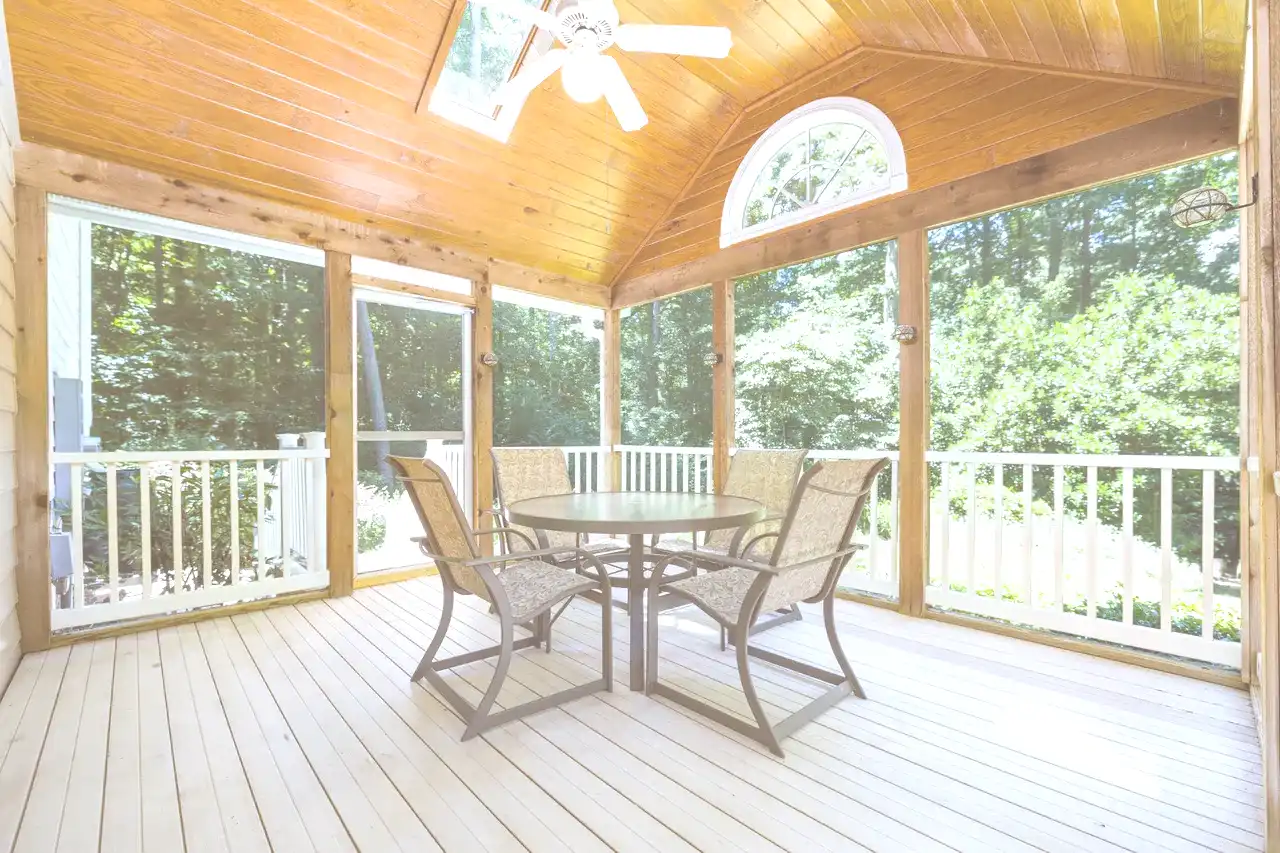
The baldfaced hornet is the only "hornet" known in Texas, and it is actually a yellowjacket. It builds a large, enclosed paper nest in a tree, a shrub or under the eaves. An AgriLife entomologist says established colonies should be handled by professionals. Removal is normally planned once the nest has been identified.
View serviceYellowjacket nests are mostly underground, though some colonies settle in wall voids or hang under eaves. Colonies reach their largest size by August or September. A wall nest generally should not be sealed until the colony has been eliminated, so ask the provider how they handle wall entrances.
View service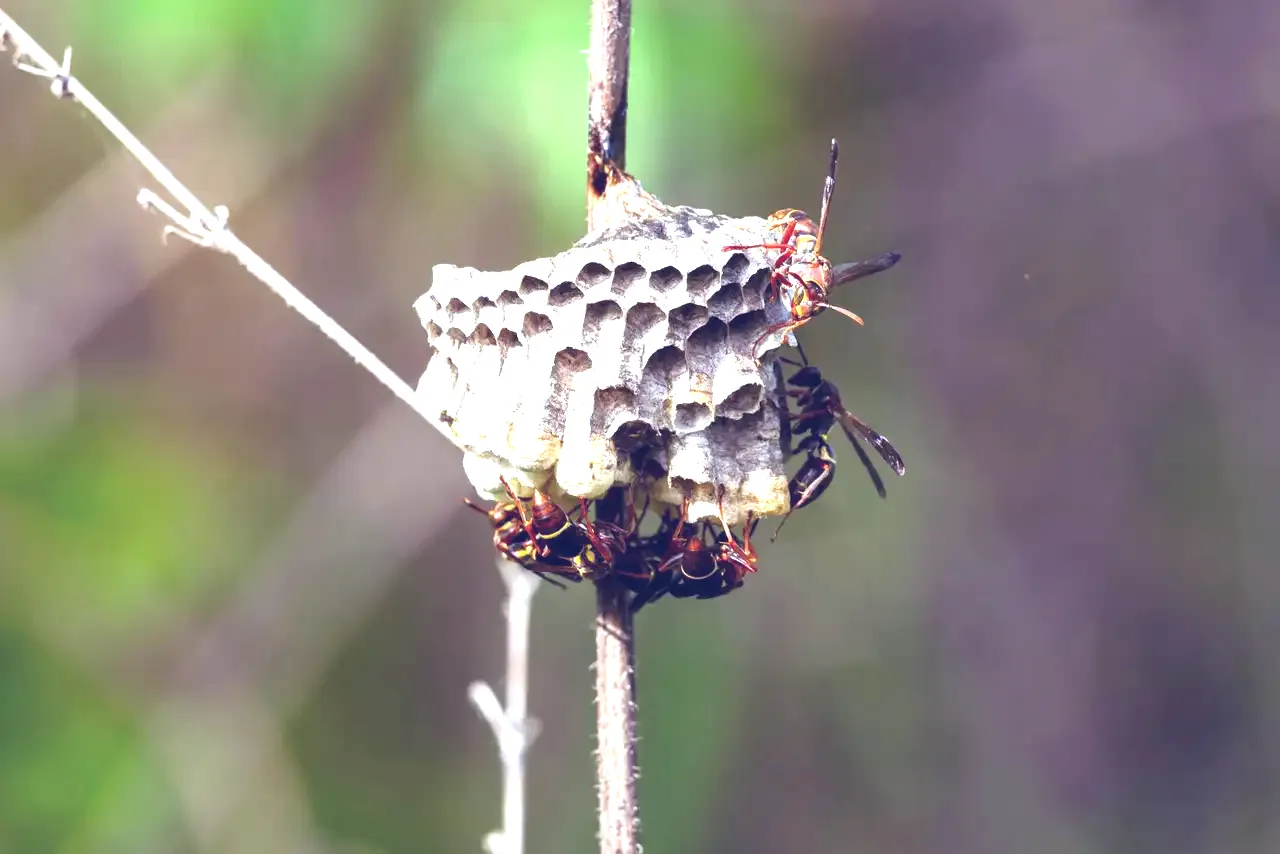
Apartment communities in Lewisville bring balconies, breezeways and shared eaves that no single tenant controls. Tenants report nests to the manager, and the manager arranges access to common areas, balconies and rooflines. With 53.7 percent of homes rented, this is a common situation. Keep dates and photos when you report.
View service
A return visit shows whether a treated nest is truly inactive and whether new building has started nearby. Paper wasp queens often found colonies in the same general spot the next spring. Ask how many return checks the provider suggests for your property, and whether those visits are included in what you were first told it would cost.
View serviceDial the number above and a call-tracking service puts you through to an independent provider that works in Lewisville; the call may be recorded. Calls are connected 6 a.m. to midnight Central Time (7 a.m. to 1 a.m. during daylight saving time). Timing and cost are agreed between you and the provider.